Driving in Dubai can be an enjoyable experience, with well-maintained roads and highways. However, even in a well-connected city, roadside emergencies can happen when you least expect them. A dead battery, flat tire, engine trouble, or running out of fuel can leave you stranded in the middle of a busy road or a remote location.
While many drivers panic or don’t know what to do, the good news is that most roadside emergencies can be handled quickly and safely if you take the right steps. This guide covers the most common roadside emergencies in Dubai and how you can stay prepared.
1. Flat Tire – What to Do?
Why It Happens:
- Driving over sharp objects or potholes
- Low tire pressure, especially in extreme heat
- Worn-out or old tires
How to Handle It:
- Pull over to a safe spot away from traffic.
- Turn on hazard lights to alert other drivers.
- Check your spare tire and tools. If you know how to change a tire, do so carefully.
- If you do not have the tools or are on a high-speed road, call a roadside assistance service for immediate help.
Prevention Tip: Check tire pressure weekly and replace worn-out tires on time to avoid blowouts.
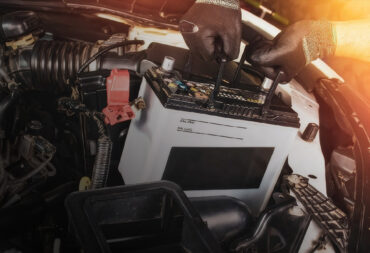
2. Battery Failure – Why It’s Common in Dubai
Why It Happens:
- High temperatures cause battery fluid to evaporate faster.
- Short, frequent trips do not allow the battery to recharge fully.
- Corrosion on battery terminals reduces efficiency.
Signs of a Failing Battery:
- Slow engine start
- Dim headlights and dashboard lights
- Clicking noise when turning the key
What to Do If Your Battery Dies:
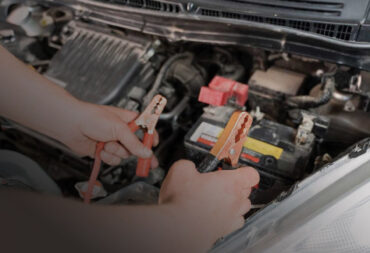
- If you have jumper cables and another vehicle, try a jump-start.
- If the battery is completely dead, call a roadside assistance service for immediate replacement.
Prevention Tip: Get battery voltage checks every six months to avoid sudden failures.
3. Engine Overheating – A Major Warning Sign
Why It Happens:
- Low coolant levels
- Faulty radiator or cooling system
- Extreme heat and heavy AC use
What to Do If Your Engine Overheats:
- Pull over immediately. Continuing to drive can damage the engine.
- Turn off the AC and open the hood to let the engine cool naturally.
- Check coolant levels. If they are low, add coolant only after the engine has cooled down.
- Call for roadside assistance if the overheating persists.
Prevention Tip: Regularly check coolant levels and schedule cooling system maintenance.
4. Running Out of Fuel – A Preventable Mistake
Why It Happens:
- Forgetting to refuel on long drives
- Overestimating fuel range
- Heavy traffic delays
What to Do:
-
If you are near a gas station, push the car safely and refuel.
- If stranded, call a fuel delivery service for emergency refueling.
- Avoid driving on an almost-empty tank, as it can strain the fuel pump.
Prevention Tip: Refill fuel once it reaches a quarter tank to avoid unexpected breakdowns.
Roadside emergencies can be stressful, but knowing what to do can keep you safe and get you back on the road faster. Stay prepared with basic car checks and always have a roadside assistance contact saved for unexpected situations.